Grass Guide
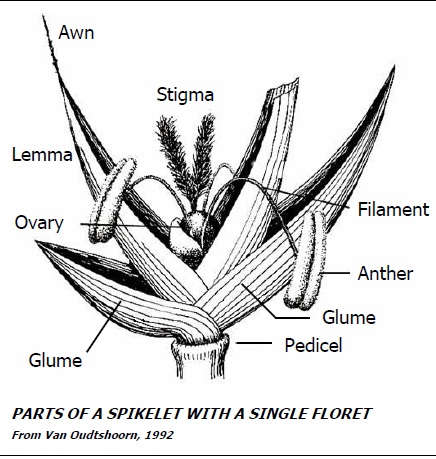
Reference this any time — inflorescence shape, ligule type, and spikelet structure are usually the fastest way to narrow a grass down to its genus before you match the exact species.
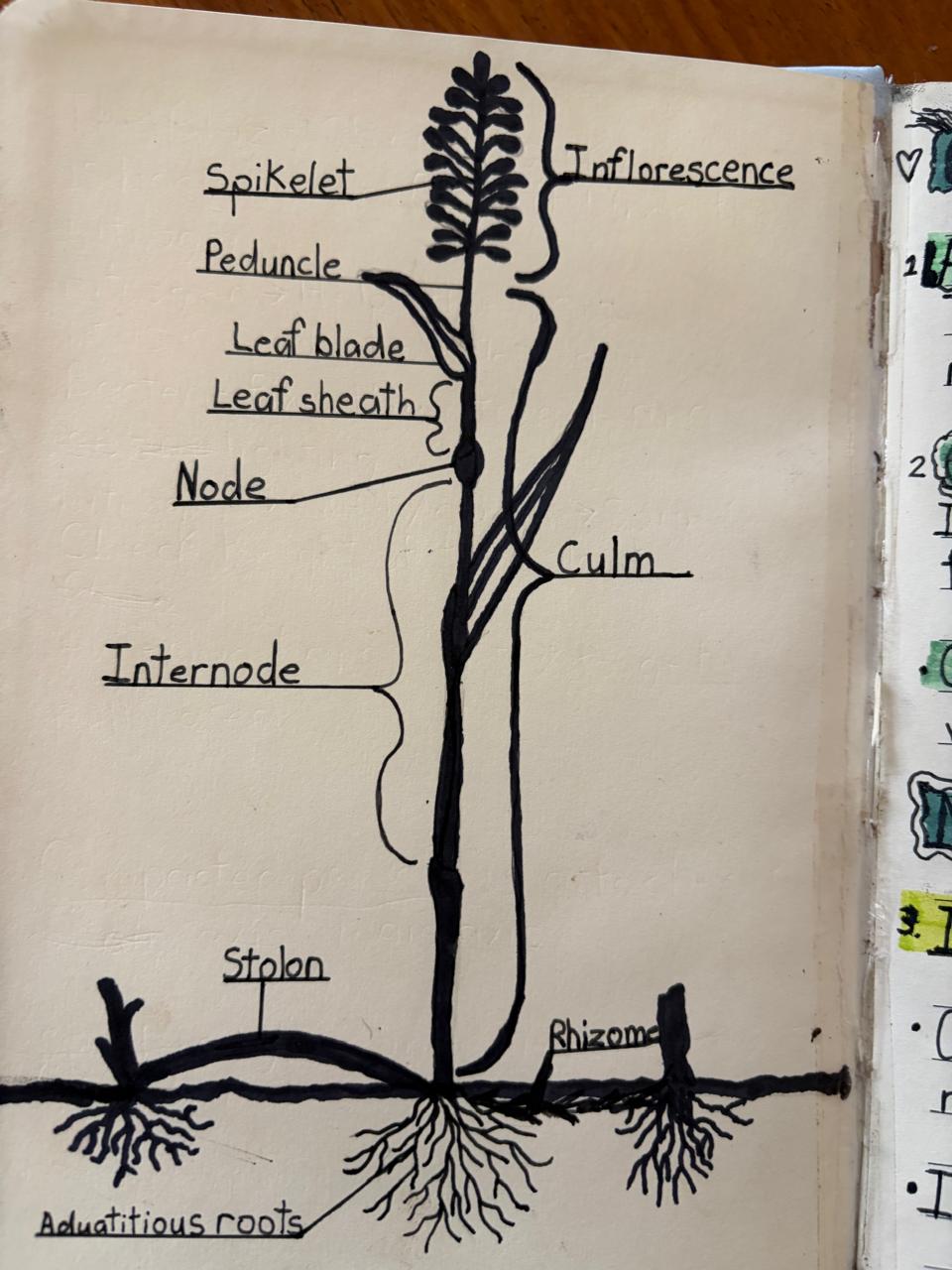
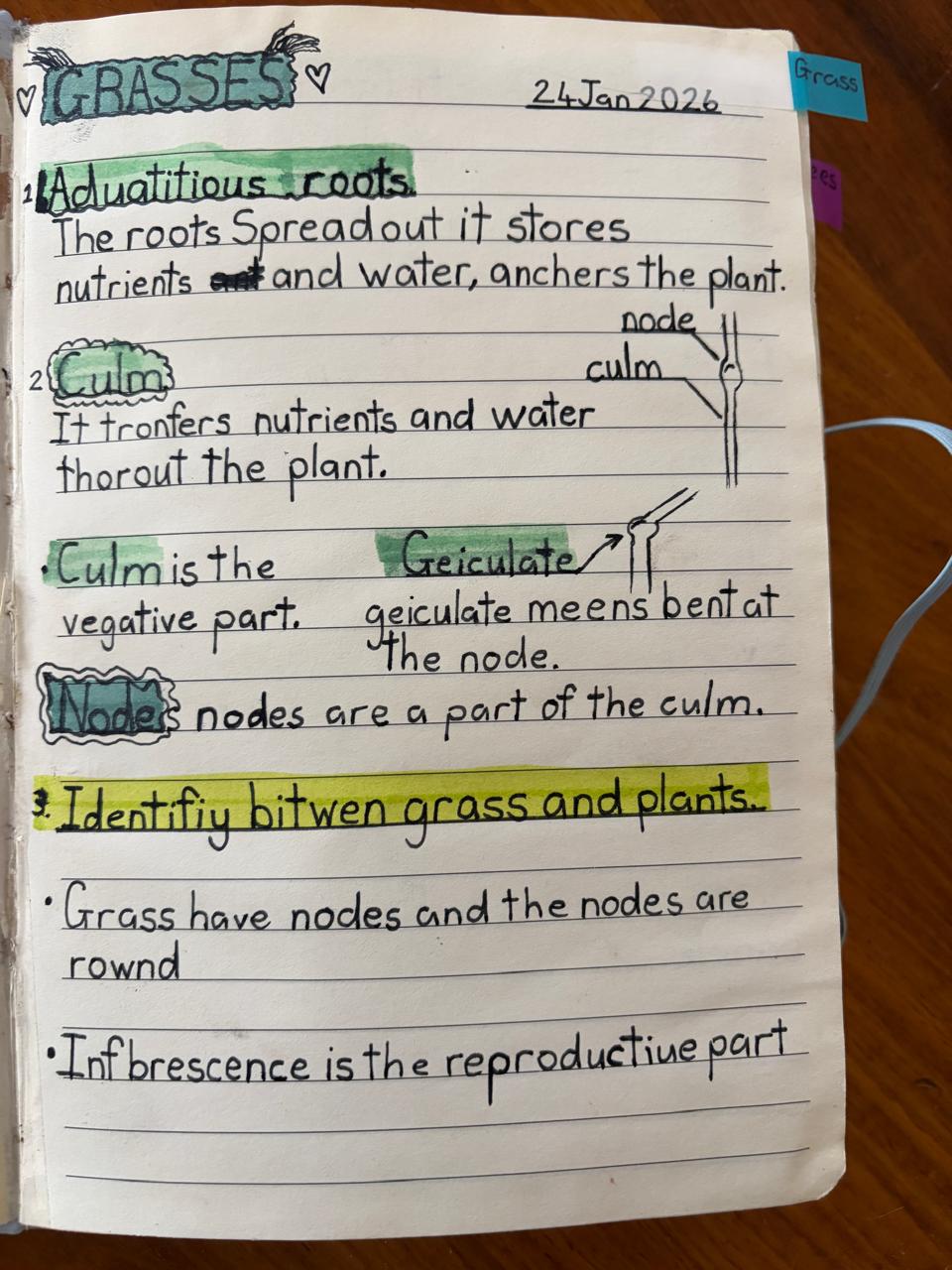
Fill in as we go — Roots, Culms, Stolons, Rhizomes, Leaves.
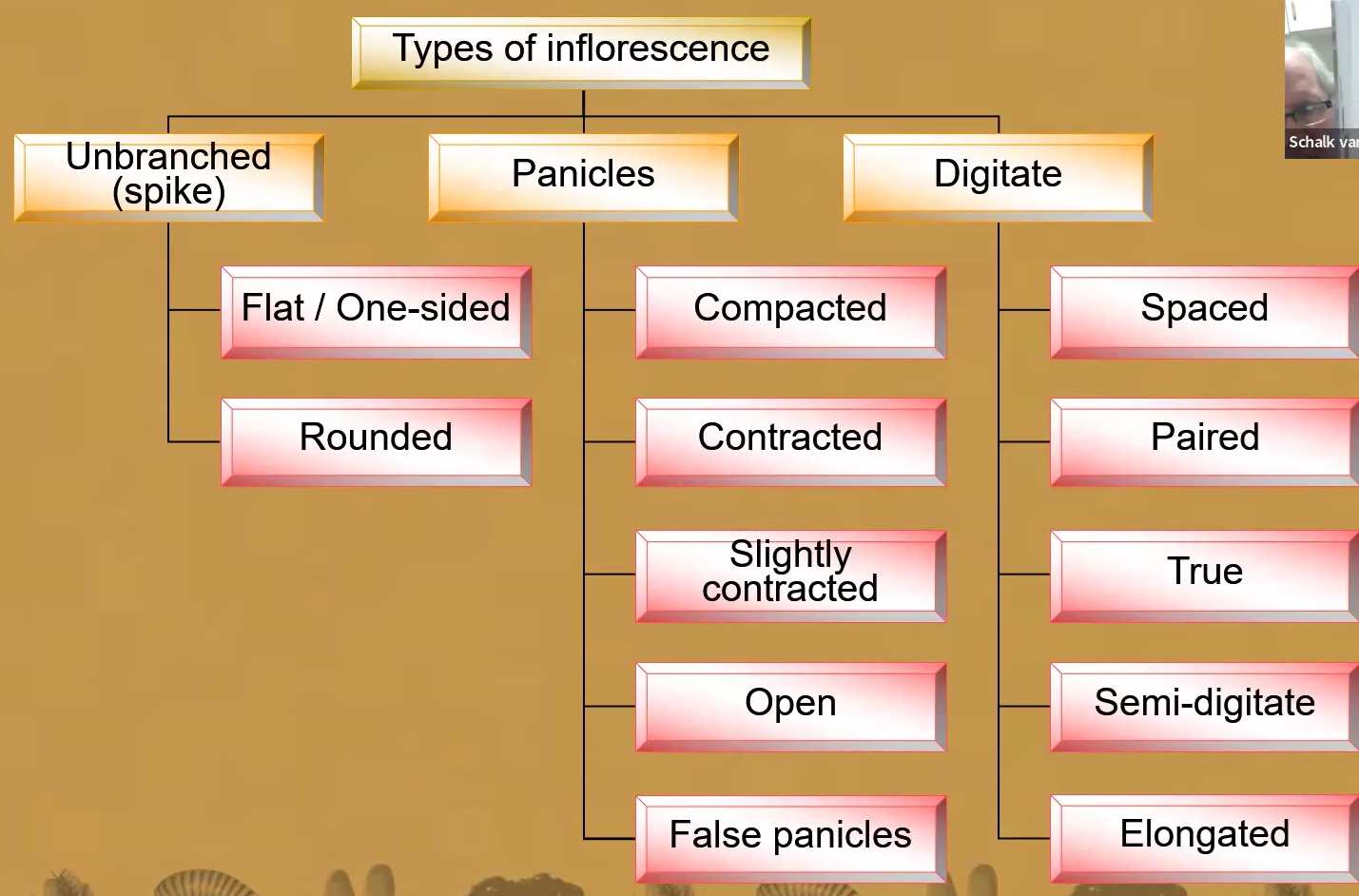
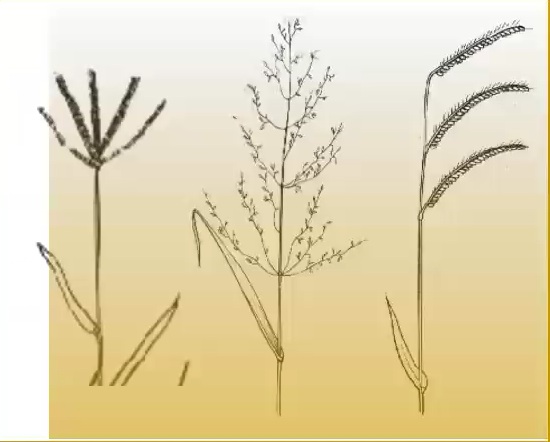
The overall shape of the seed head is often the very first clue — check this before you even get close enough to look at the ligule.
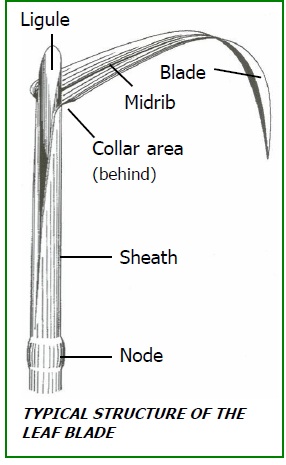
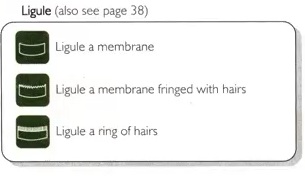
A ligule is a membrane or line of hairs on the upper leaf surface, at the junction of the leaf sheath and blade.
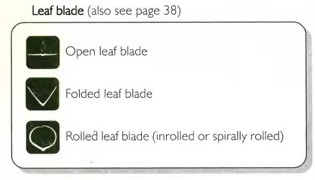
How the leaf blade sits in cross-section — check this alongside the ligule.
"The general structure of the spikelet is consistent within the genus. This occurrence makes the identification of grasses much easier." — Van Oudtshoorn, 2002
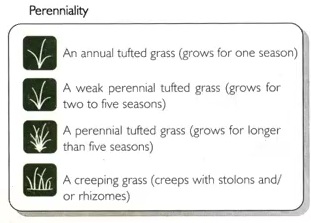
How long an individual plant lives, and whether it stays in a tuft or creeps.
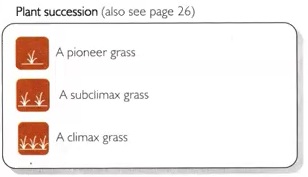
Where a grass sits in the sequence from bare ground to stable, mature veld — this is the "Succession" tag you'll see on each grass card in the Learn tab.
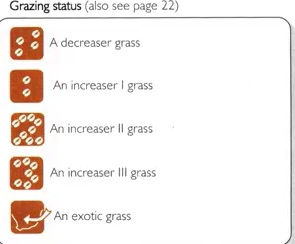
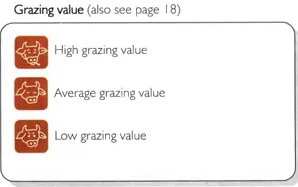
A separate scale from Ecological Status — this measures how palatable/nutritious a grass is, not how it responds to grazing pressure.
A different classification again — this describes the broader vegetation region a grass grows in (rainfall, altitude, soil), separate from Ecological Status and Grazing Value.
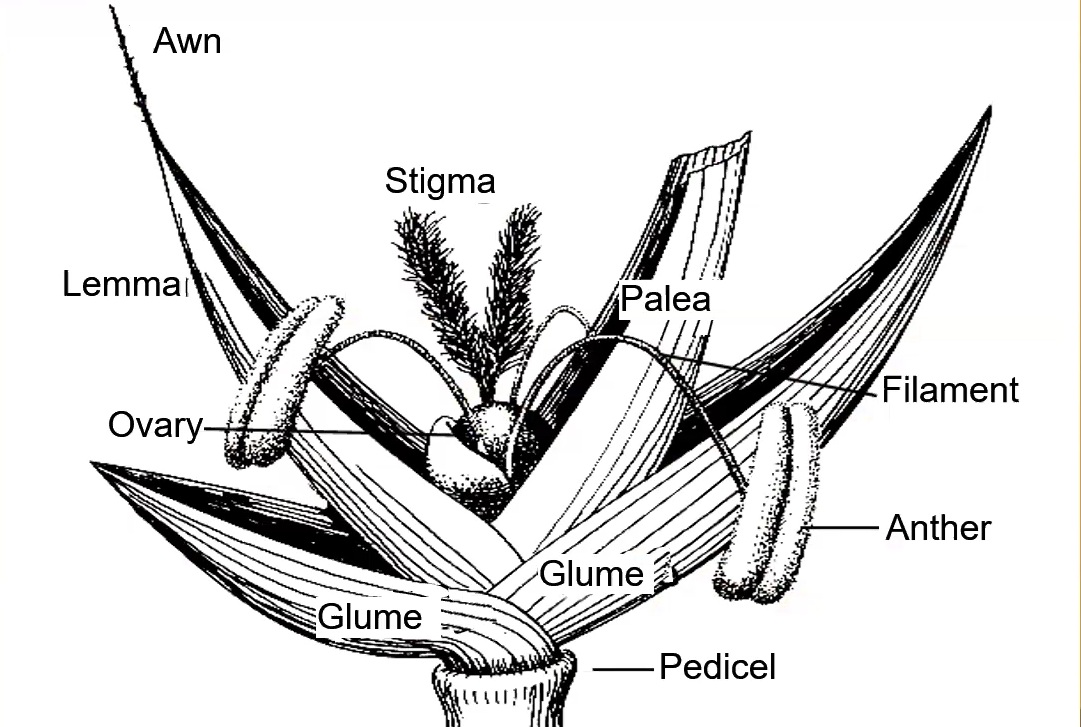
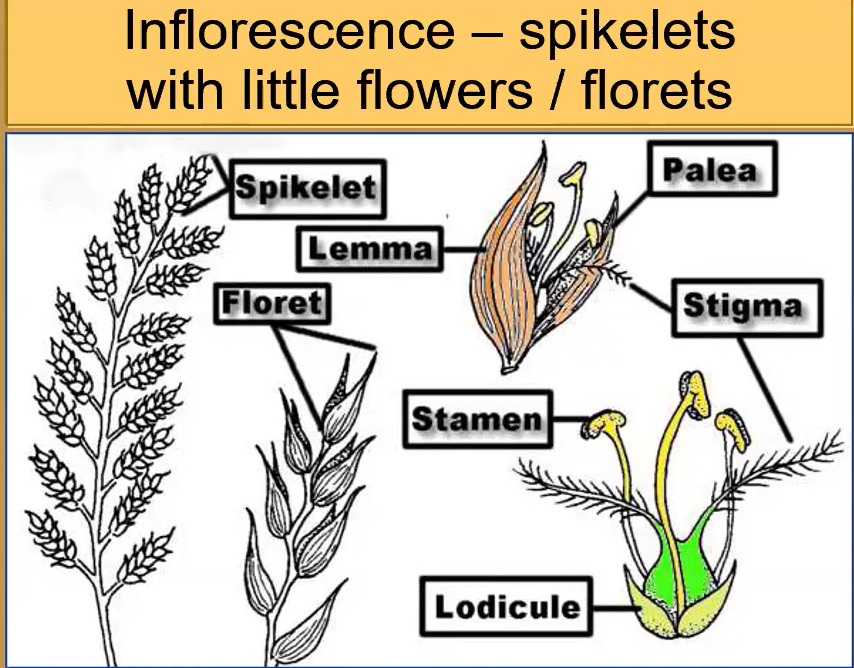
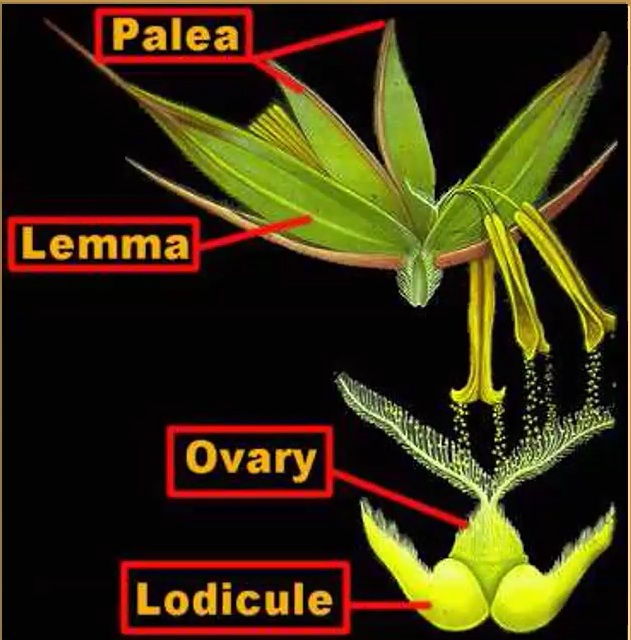
Holding area for reference images not yet sorted into a proper section — likely to become their own tab later.
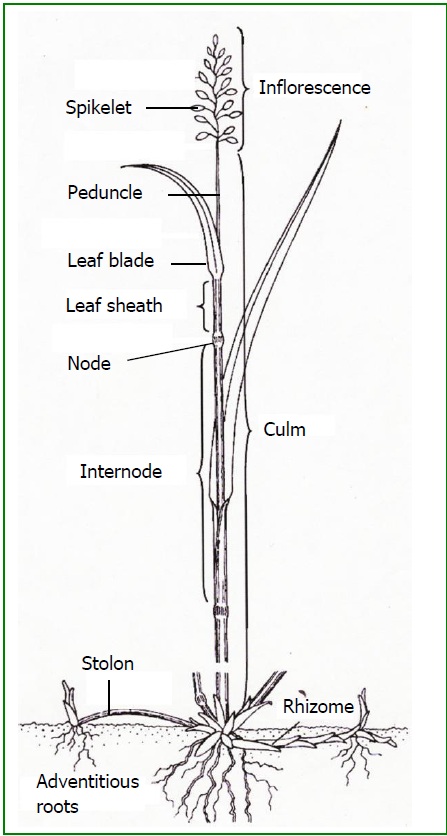
Must Know — 41 Official Grasses
🌟 Bonus Grasses
Not required for the 19 Sept 2026 practical, but seen at Combretum Park — good to know but not essential.